

Comprar en librerías
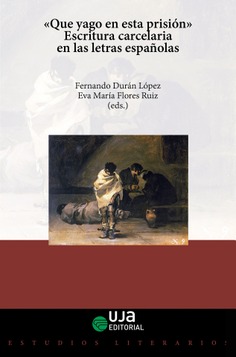
«Que yago en esta prisión». Escritura carcelaria en las letras españolas
Fernando Durán López, Eva María Flores Ruiz, AA.VV.
Obra de próxima aparición
La abundancia de literatura carcelaria desde la Antigüedad recuerda la frecuencia con que la prisión refleja la vida en sociedad. Ya sean cárceles políticas, inquisitoriales o «correccionales», la reclusión ha estado siempre presente, aunque a menudo se prefiera ignorarla. Este volumen reúne quince estudios dedicados a autores y personajes reales o ficticios de la literatura española de los tres últimos siglos que obligan a mirar esa realidad. Desfilan por sus páginas presos ilustres y anónimos, recluidos en prisiones de muy distinta naturaleza y duración. El recorrido empieza en las letras medievales y las prisiones de escritores del Siglo de Oro, para luego centrarse en los siglos XVIII, XIX y XX, con especial atención a la Guerra Civil y la posguerra. Más allá de las diferencias de época, lugar o motivación, todas estas experiencias ofrecen un testimonio común de soledad y de vidas quebradas al cruzar el umbral de la prisión, una realidad compartida por la inmensa mayoría de quienes la padecieron.
-------------------------------
The abundance of literature on prisons since Antiquity serves as a reminder of the frequency with which imprisonment reflects life in society. Whether they are political, inquisitorial or ‘correctional’ prisons, imprisonment has always been present, although people often prefer to ignore it. This volume brings together fifteen studies devoted to real or fictional authors and characters from Spanish literature of the last three centuries who compel us to confront this reality. Its pages feature a parade of illustrious and anonymous prisoners, confined in prisons of very different kinds and for varying lengths of time. The journey begins with Medieval literature and the prisons of writers from the Golden Age, before turning its attention to the 18th, 19th and 20th centuries, with particular focus on the Civil War and the post-war period. Regardless of differences in time, place or motivation, all these experiences bear common witness to loneliness and shattered lives upon crossing the threshold of prison, a reality shared by the vast majority of those who endured it.
- Coordinador/a
- Fernando Durán López
- Coordinador/a
- Eva María Flores Ruiz
- Autor/a
- AA.VV.
- Colección
- Estudios Literarios. 'El niño de la noche'
- Materia
- Autobiografía: general
- Idioma
- Castellano
- Editorial
- UJA Editorial
- EAN
- 9788491597674
- ISBN
- 978-84-9159-767-4
- Edición
- 1
- Fecha publicación
- 01-11-2026
- Número en la colección
- 20
- DRM
- DRM
Sobre Fernando Durán López (Coordinador/a)

Sobre Eva María Flores Ruiz (Coordinador/a)

Contenidos
INTRODUCCIÓN. «YO TENGO EL ROSTRO DE LA CÁRCEL»
1. LITERATURA Y PRISIÓN EN LA EDAD MEDIA: ENTRE REALIDAD Y ALEGORÍA
Elisa Borsari y José Ramón Trujillo
2. «CARGADO DE 68 LIBRAS DE CADENAS»: LA VIDA
Y PERSECUCIONES DEL BARÓN DE TRENCK, UN BEST-SELLER DE ALCANCE GLOBAL
Gabriel Sánchez Espinosa
3. «Y PUES QUE NO SE SEÑALABA PLAZO NI TÉRMINO A ESTA PENA, ES CLARO QUE IBA A SUFRIRLA POR TODA MI VIDA»: JOVELLANOS, REO DE ESTADO
Elena de Lorenzo Álvarez
4. LAS PRISIONES DE FRAY SERVANDO TERESA DE MIER, UN RELATO DE SANTIDAD
Eduardo San José Vázquez
5. VAN HALEN, O LA VÍCTIMA DE LA INQUISICIÓN: LAS MEMORIAS DE JUAN VAN HALEN Y LA LITERATURA INQUISITORIAL
Daniel Muñoz Sempere
6. PRISIONES ROMÁNTICAS DE ESCRITORES CLÁSICOS. IMÁGENES EN LA PRENSA PERIÓDICA DEL SIGLO XIX
Pedro Ruiz Pérez
7. ENTRE REJAS: GALDÓS Y LÓPEZ BAGO, DOS MODOS CARCELARIOS
Eva María Flores Ruiz
8. DE MICAELAS Y MAGDALENAS: ESPACIOS DE REFORMA PARA LA MUJER EN LA NARRATIVA ESPAÑOLA Y BRITÁNICA DEL OCHOCIENTOS
Juan Pedro Martín Villarreal
9. LA CONFIGURACIÓN DEL ESPACIO CARCELARIO EN LAS PRISIONES IMAGINARIAS (1900) DE PERE COROMINAS
Elena Caballero Fernández
10. LOS ÚLTIMOS DÍAS DEL RECLUSO 831: EL DIARIO CARCELARIO DE JULIO FERNANDO GUILLÉN TATO
Fernando Durán López
11. DAMAS CAUTIVAS: LA EXPERIENCIA CARCELARIA DE PILAR MILLÁN ASTRAY Y OTRAS MUJERES DE LA ESPAÑA NACIONAL
Javier Cuesta Guadaño
12. MIGUEL HERNÁNDEZ: UN GORRIÓN PRISIONERO (EN TORNO A SUS ESCRITOS CARCELARIOS)
Jesús Rubio Jiménez
13. «AÚN TENGO LA VIDA». LA CORRESPONDENCIA CARCELARIA DE ANTONIO MARTÍNEZ GARCÍA
Verónica Sierra Blas
14. POÉTICA DEL ENCIERRO: ESTÉTICA Y CRÍTICA SOCIAL EN LOS MUROS DE AGUA (1941) DE JOSÉ REVUELTAS
Nettah Yoeli-Rimmer
15. UNA POÉTICA DE LA ESPERANZA ENTREARGENTINA Y ESPAÑA: GUERRA, CÁRCEL Y EXILIO EN LA OBRA DE LUIS ALBERTO QUESADA
José-Ramón López García
Libros relacionados

El aliado y el enemigo: Francia en el imaginario bélico de Vicente Blasco Ibáñez

Agustín G. de Amezúa. Artículos periodísticos

Márgenes del ultraísmo

"Llamo a los poetas". Miguel Hernández y sus maestros literarios

Escritores peregrinos entre dos siglos: (De Bécquer a Buñuel y Casona)

La formación de un escritor: Manuel Andújar.

Mercedes de Prat. Poesía completa

Estudios unamunianos: lengua, literatura, pensamiento

Luis García de Luna y Gustavo Adolfo Bécquer

Textos inéditos e inconclusos de Miguel Hernández (Estudio y edición)